
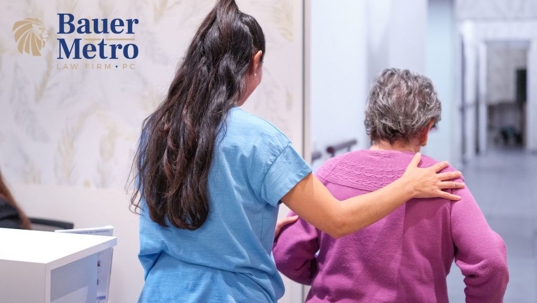
When we place our parents or grandparents in a South Carolina nursing home, we do so with a heavy heart but a hopeful mind. We trust these facilities to provide the dignity, medical care, and safety our loved ones deserve in their golden years. Unfortunately, that trust is sometimes broken.
Protecting our seniors starts with education. Understanding the different forms of nursing home abuse—some of which are much subtler than others—is the first step toward ensuring the safety of your family members. Here are the primary types of abuse occurring in long-term care facilities today.
Physical Abuse
Physical abuse is the most recognizable form of mistreatment. It involves the intentional use of force that results in bodily injury, pain, or impairment. In a nursing home setting, this might include hitting, slapping, pushing, or the inappropriate use of physical or chemical restraints (using medication to sedate a resident for the staff's convenience).
Warning signs: Unexplained bruises, welts, broken eyeglasses, or a resident’s sudden fear of a specific caregiver.
Emotional and Psychological Abuse
Not all scars are visible. Emotional abuse occurs when staff members use verbal or non-verbal behaviors to inflict mental anguish or distress. This can include yelling, name-calling, humiliation, or social isolation—intentionally keeping a resident away from their friends, family, or activities they enjoy.
Warning signs: Sudden withdrawal from social interaction, unusual repetitive behaviors (like rocking back and forth), or increased anxiety and depression.
Neglect
Neglect is often a "silent" form of abuse, but it is no less dangerous. It occurs when a facility fails to provide the basic necessities of life, such as food, water, hygiene, and medical care. In many South Carolina facilities, neglect is the result of chronic understaffing or poor training.
Warning signs: Bedsores (pressure ulcers), poor personal hygiene, soiled bedding, or significant, unexplained weight loss.
Financial Exploitation
Seniors are frequently targeted for financial abuse because they may have limited oversight of their own accounts. This involves the illegal or improper use of a resident’s funds, property, or assets. It can range from a staff member stealing "pocket money" to more complex schemes involving forged signatures or coerced changes to a will.
Warning signs: Missing personal belongings, unexplained withdrawals from bank accounts, or sudden changes to legal documents.
Sexual Abuse
It is a distressing reality, but sexual abuse does occur in nursing home environments. This includes any non-consensual sexual contact or harassment. Because many residents suffer from cognitive impairments like dementia, they are particularly vulnerable to predators.
Warning signs: Unexplained infections, torn undergarments, or bruising near the thighs or genital area.
Protecting Your Loved One’s Rights
If you suspect your loved one is suffering from any form of mistreatment, do not wait to take action. South Carolina law provides protections for vulnerable adults, but navigating the legal system while caring for a family member can be overwhelming. At Bauer & Metro, P.C., we are dedicated to standing up for the seniors in our community and holding negligent facilities accountable. Your loved one deserves a voice, and we are here to provide it.
To discuss your situation in a confidential consultation, contact us today at (843) 920-2844.